About

A small app with an old idea behind it.

Lumo Veil is a secure VPN for Android, published by QEDCS LLC OF MASSACHUSETTS. It exists because the ordinary way a phone talks to the internet leaves a trail through networks nobody asked you to trust — and because closing that gap should not require a subscription, an account, or a course in cryptography.

Publisher QEDCS LLC OF MASSACHUSETTS Product Lumo Veil — Secure VPN Since July 2026

The name and the crest

Light, and what you draw across it.

Lumo is light. A veil is the thing you put between the light and everyone else — not a wall, not a disguise, just a layer that decides who gets to see.

The mark is a heraldic one, which is deliberate. Heraldry was a system for making a claim in public and being held to it: a crest was a promise about who you were, displayed where everyone could check it. That is an unfashionably good model for a privacy company. The lion is the guardian. The shield is the boundary. The lock is the mechanism. Nothing in it is metaphorical about what the app does.

The gold rule that runs through this site is the same idea in a quieter form: a line you can see, drawn on purpose, in the same place every time.
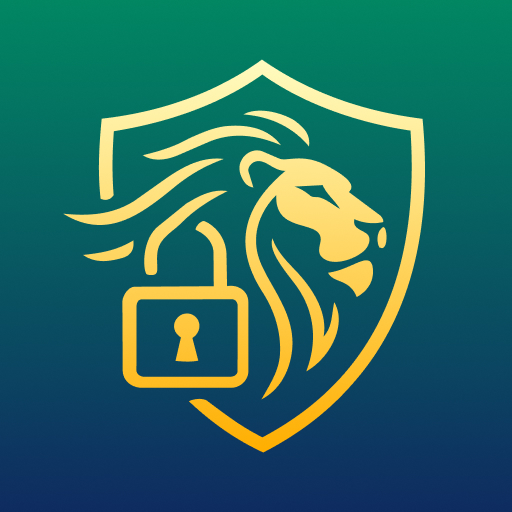
The Lumo Veil crest: a gold lion and padlock on a shield
Principles

Four rules we wrote down before the first release.

They are constraints rather than values statements. Each one costs us something, which is the only reason to publish them.

Collect nothing we can live without

Every field we do not store is a field that cannot be leaked, subpoenaed, or sold. So the default answer to "should we log this?" is no, and the burden falls on whoever wants to say yes. It costs us analytics we would occasionally find useful. That is the trade.

Never claim more than we ship

Server counts we cannot substantiate, audits that have not happened, and features that are "coming soon" do not appear on this website. It costs us the marketing page every competitor has. We would rather you can check every line.

State the limits as loudly as the strengths

A VPN does not make you anonymous, does not stop malware, and does not undo a login. Selling it as a cloak gets people hurt, so our threat model lists what we cannot do beside what we can.

Make leaving easy

Disconnecting is one tap, revoking the permission takes ten seconds in Android's own settings, and uninstalling leaves nothing behind on our side. A product that has to trap you is a product that has stopped being worth choosing.

The awkward question

If it is free, how does it pay for itself?

It is the right question to ask a free VPN, and the honest answers are short.

Never by selling your data

This is the line that does not move. The privacy policy commits us to not selling, renting, or trading personal information, and the CCPA section says the same in the language a Californian regulator would use. There is also very little to sell: browsing history, DNS queries, IP addresses, and connection times are never recorded in the first place.

Possibly by advertising

Version 1.0.0 declares no ads. Advertising is, however, the most common way a free mobile app supports itself, and we would rather tell you it is on the table than surprise you with it in an update.

If ads arrive, three things happen first: our Google Play Data safety declaration is updated to say exactly what an advertising component collects and who it goes to; Article XIV of the privacy policy — already written — governs it; and the change is announced in the app. Advertising would never extend to selling your personal data, and it would never touch traffic content, because that is not recorded.

Possibly by charging for it

A paid subscription is the other likely route, which is why the terms of service already describe subscriptions, auto-renewal, and a thirty-day money-back guarantee even though none of it is live. If it arrives, it will be announced before anything is charged, and the free experience will not be quietly degraded to force the upgrade.

Why say this now

Because "we will figure out revenue later" is how free VPNs end up selling traffic. Naming the options while they are still options — including the one that is less flattering to say out loud — is the only way to be held to them.

The company

Who you are actually dealing with.

You are trusting a VPN provider with every byte your phone sends. The least we can do is be findable.

Legal entityQEDCS LLC OF MASSACHUSETTS
ProductLumo Veil — Secure VPN (com.lumo.veil)
DistributionGoogle Play
Websitelumoveil.com
Contactbuivandong298523@gmail.com
Governing lawCommonwealth of Massachusetts, United States — see terms, section 14
First releaseJuly 2026, version 1.0.0
Enough about us

The app is the argument.

Install it, use it for a week, and judge whether anything on this site turned out to be untrue.